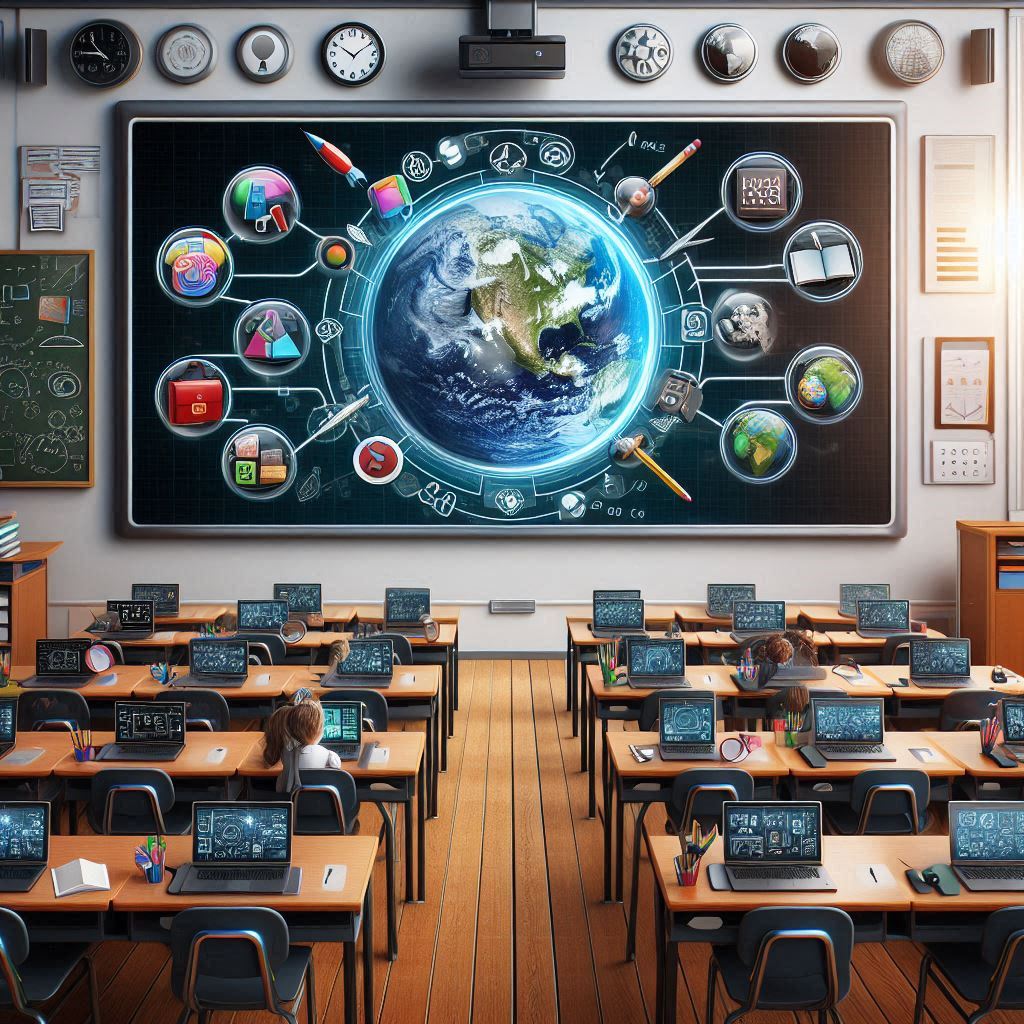
Step into a classroom powered by Smart Classroom Technology and you’ll feel the difference instantly. The air buzzes not just with curiosity, but with the quiet hum of digital transformation. The teacher doesn’t stand behind a wooden desk with a dusty chalkboard anymore — instead, they engage with a sleek Smart Board for Classroom, drawing students into lessons that come alive with motion, sound, and interaction.
At the heart of Smart Classroom Technology lies a mission: to modernize traditional teaching environments and create immersive, interactive learning experiences. No longer is the classroom confined to textbooks and spoken lectures. With the rise of digital tools — like smart boards, cloud-based collaboration apps, AI-driven assessments, and high-definition video learning — education has evolved into a dynamic, student-centered journey.
The Smart Board for Classroom: Center Stage in Digital Learning
Among all smart classroom tools, the Smart Board for Classroom is undoubtedly the star performer. It’s not just a screen — it’s a command center for digital education. Imagine it as a living blackboard that listens, responds, displays, connects, and collaborates. With just a touch, a teacher can launch a simulation, pull up real-time data, conduct live quizzes, or annotate over documents and websites.
Let’s say a history teacher wants to explore the ancient pyramids. Rather than describing them through words alone, they can open a virtual reality walkthrough on the Smart Board. Students can take turns navigating the tombs, examining hieroglyphics, and even watching animations of ancient Egyptian daily life. This kind of multisensory learning — only possible with Smart Classroom Technology — makes lessons unforgettable.
Interactive, Personalized, and Real-Time Learning
Smart Classroom Technology isn’t about gadgets for the sake of it — it’s about purpose-driven innovation. Every student learns differently, and these technologies adapt to those needs. A Smart Board for Classroom allows teachers to offer different types of content — visual diagrams, audio explanations, videos, and interactive exercises — to suit a variety of learning styles.
What makes it even more powerful is its ability to provide real-time interaction. Students can solve problems on the board, collaborate on projects from their devices, or instantly receive feedback during a quiz. This direct involvement keeps students alert, motivated, and invested in their learning process.
Seamless Integration of Smart Tools
A true smart classroom doesn’t stop at the board. It’s an entire ecosystem. Devices like tablets, laptops, smart sensors, voice assistants, and even facial recognition attendance systems can be synced with the Smart Board for Classroom setup. Teachers can manage everything from one screen — including lesson plans, assessments, attendance, and student participation data.
Moreover, content created on the smart board can be saved to the cloud. Students can revisit the day’s notes, replay demonstrations, or submit homework through shared platforms. This flexibility supports blended learning, making education accessible both in the classroom and beyond.
Empowering Teachers and Students Alike
While the focus often falls on how Smart Boards help students, they also empower teachers. Lesson preparation becomes easier and more engaging. Teachers can access global educational resources, use AI to analyze student progress, and personalize content delivery for better outcomes.
The Smart Board for Classroom is especially helpful in inclusive education environments. For example, students with hearing impairments can follow visual content and live captions, while those with mobility issues can participate through connected devices from their seats.
Smart Classroom Technology Is the Future — and the Present
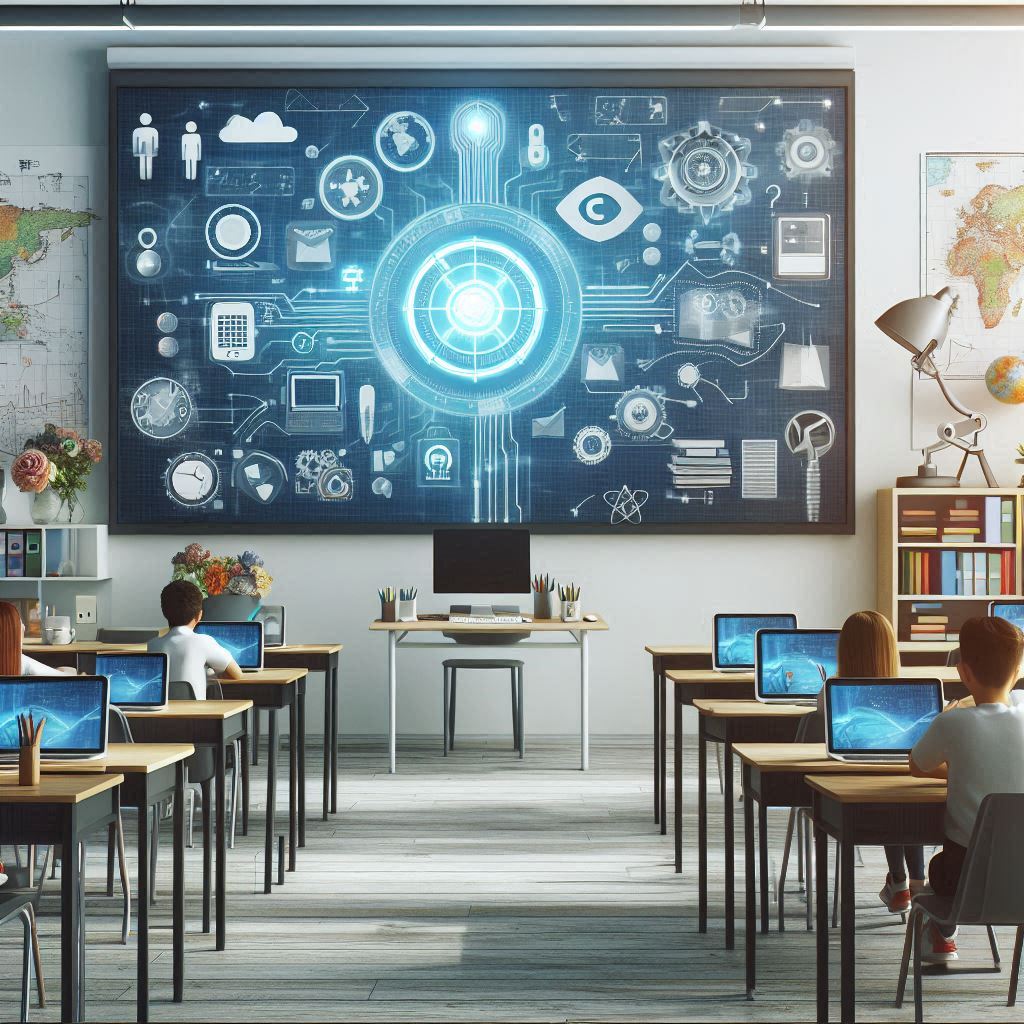
In today’s world, where technology touches every aspect of life, it only makes sense that education embraces it too. Smart Classroom Technology is not a futuristic dream — it’s the reality of forward-thinking schools today. And at its very core, enabling all this transformation, stands the Smart Board for Classroom.
This technology is more than a digital tool — it’s a partner in teaching, a motivator for students, and a bridge to the future. With a Smart Board in the classroom, educators are no longer just teaching facts — they’re creating experiences. And in doing so, they’re preparing students not just to pass exams, but to thrive in a digital world.